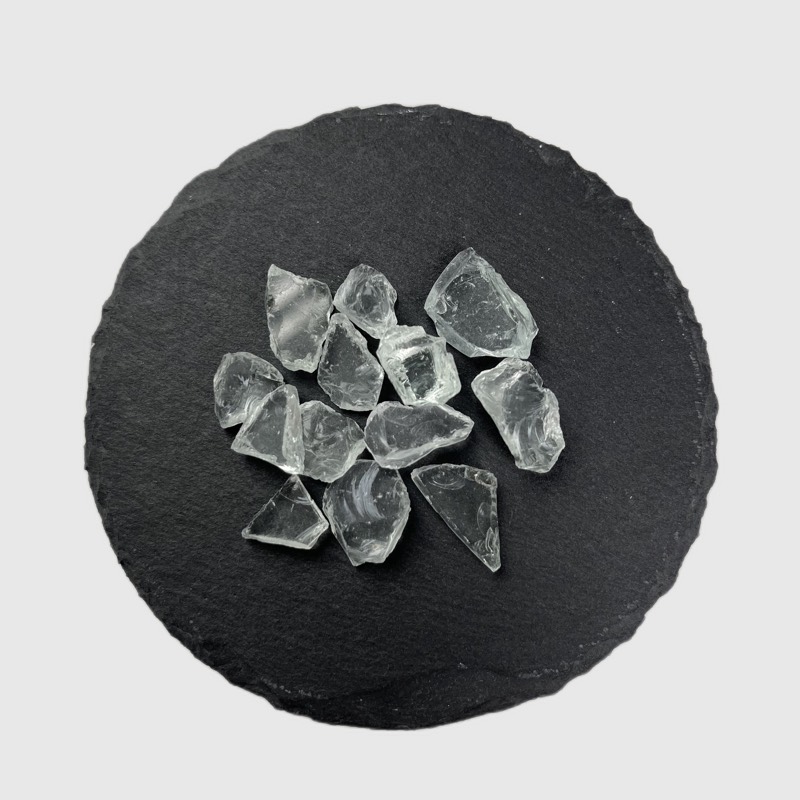
When I reformulate for Australia or the EU, I do not start with the resin system; I start with the mineral filler, because swapping quartz flour for amorphous glass powder in 25 kg trial bags is the fastest way to preserve existing vacuum-pressing parameters while removing crystalline silica from the safety data sheet.
Australia and the EU are treating crystalline silica as a design flaw, not just a shop-floor hazard.
The shift is from exposure control to material elimination. Benchtop producers that cannot prove their slabs are below the new crystalline-silica thresholds are effectively locked out of these markets.
- Australia’s national prohibition on the manufacture, supply and installation of engineered stone containing ≥1 % crystalline silica took effect on 1 July 2024, with an import ban from 1 January 2025.
- The European Commission has proposed a binding EU occupational exposure limit for respirable crystalline silica of 0.05 mg/m³ TWA, tightening enforcement across member states.
- Spain already applies a 0.05 mg/m³ TWA occupational exposure limit for respirable crystalline silica, matching current EU best-practice guidance.
- Buyer action: audit every raw-material SDS, request quantitative crystalline-silica declarations, and map substitute fillers before tendering into Australia or the EU.
Amorphous glass powder is not crystalline silica.
The regulatory boundary is atomic structure, not total silicon dioxide content. Recycled glass powder is amorphous, so it falls outside the crystalline-silica hazard classification.
- Crystalline silica (quartz, cristobalite, tridymite) has an ordered lattice and is classified by IARC as a Group 1 carcinogen in the respirable fraction.
- Amorphous silica / glass powder has a disordered, non-crystalline structure; synthetic amorphous silica is IARC Group 3 (not classifiable as carcinogenic).
- Recycled glass powder does not generate respirable crystalline silica dust during cutting, grinding or polishing, so it supports low-silica engineered stone claims when documented by lot.
- Buyer action: specify “amorphous, crystalline-silica-free” in raw-material agreements and verify each lot with XRD or quantitative phase analysis.
Source: Applied Particle Technology – Crystalline vs Amorphous Silica
Recycled glass filler can slot into existing engineered-stone recipes.
Leading zero-silica and reduced-silica benchtop products already use recycled glass as the dominant mineral phase, so the material is proven in market-ready formulations.
- New-generation zero-silica engineered stone lists recycled glass, aluminium trihydrate and resin as major constituents, with recycled glass accounting for more than 70 % of some formulations.
- Glass-based powders have a Mohs hardness of ~5.5, slightly below quartz (~7), which can reduce tool wear while still giving acceptable scratch resistance for benchtops.
- Specific gravity is around 2.45–2.55, close to silica, so resin loading and slab-weight calculations remain familiar.
- Buyer action: run side-by-side casting trials holding resin, pigment, cure and pressing conditions constant, then compare viscosity, flexural strength, water absorption and polished finish against your current quartz filler.
Source: PMC / NIH – Engineered Stone and Silicosis: The Unfinished Product
Glass powder for solid surface supports the same low-silica position.
Traditional acrylic solid surface already avoids crystalline silica by design. Adding amorphous recycled glass powder lets producers tune texture and recycled content without reintroducing the regulated hazard.
- 100 % crystalline-silica-free solid surface is made from acrylic, resin, pigment and minerals and complies with Australia’s engineered-stone prohibition.
- Glass powder for solid surface can be blended with aluminium trihydrate or other mineral fillers to adjust hardness, polish and visual texture.
- Fine grades such as 325 mesh improve mixing performance, filler dispersion and surface gloss in acrylic or polyester matrices.
- Buyer action: evaluate glass powder as a partial ATH replacement or as a decorative accent, checking for binder demand, cure stability and colour consistency.
Source: CIBO Bathroomware – Silica-Free Solid Surface
Hamari’s amorphous recycled glass powder is sized for benchtop and solid-surface trials.
Our post-consumer and post-industrial recycled glass powder is produced as a crystalline silica replacement for polymer-bonded composites.
- Standard packaging is 25 kg bags for lab and pilot-line trials; bulk packaging is available for production-scale orders.
- Multiple mesh cuts are offered, including fine grades down to 325 mesh, to match engineered-stone and solid-surface binder systems.
- Each lot is supported by TDS and SDS; we quote on an FOB Nansha basis from our South China plant.
- Buyer action: email info@hamari.cn with your target mesh size, estimated volume and destination port to request a TDS, SDS and trial sample.
Browse compatible grades in the Hamari glass aggregate product catalog, or learn about our factory and quality controls.
Frequently asked questions
Does amorphous glass powder contain zero silica?
No. It contains silicon dioxide in an amorphous, non-crystalline structure. The regulated hazard is respirable crystalline silica, which properly processed recycled glass powder is not. Always confirm with current-lot testing for your destination market.
Can glass powder replace quartz flour in engineered stone?
Yes. Fine amorphous glass powder can replace part or all of the quartz flour fraction in polyester, acrylic or epoxy engineered-stone formulations. Producers should run casting trials to match viscosity, cure behaviour and mechanical properties.
What mesh size is typical for recycled glass filler?
Engineered-stone and solid-surface producers commonly use 80 mesh to 325 mesh recycled glass filler. Coarser grades add texture; finer grades improve polish and resin wet-out. Hamari can supply sieve analysis on request.
What documents does Hamari provide for reformulation?
Hamari supplies technical data sheets, SDS and 25 kg trial samples. Send your target specification to info@hamari.cn for a quotation and FOB Nansha shipping arrangement.
Ready to reformulate for Australia, the EU or other silica-restricted markets? Contact Hamari at info@hamari.cn to request a TDS, SDS and trial sample of amorphous recycled glass powder. We ship on FOB Nansha terms and can advise on the right mesh grade for your engineered-stone or solid-surface line.
Does amorphous glass powder contain zero silica?
No. It contains silicon dioxide in an amorphous, non-crystalline structure. The regulated hazard is respirable crystalline silica, which properly processed recycled glass powder is not. Always confirm with current-lot testing for your destination market.
Can glass powder replace quartz flour in engineered stone?
Yes. Fine amorphous glass powder can replace part or all of the quartz flour fraction in polyester, acrylic or epoxy engineered-stone formulations. Producers should run casting trials to match viscosity, cure behaviour and mechanical properties.
What mesh size is typical for recycled glass filler?
Engineered-stone and solid-surface producers commonly use 80 mesh to 325 mesh recycled glass filler. Coarser grades add texture; finer grades improve polish and resin wet-out. Hamari can supply sieve analysis on request.
What documents does Hamari provide for reformulation?
Hamari supplies technical data sheets, SDS and 25 kg trial samples. Send your target specification to info@hamari.cn for a quotation and FOB Nansha shipping arrangement.
Sources & Original Articles(来源 · 点击原文)
- 阅读原文:Applied Particle Technology — Crystalline vs Amorphous Silica: Why It Matters (n.d.). Explains the structural, toxicological and IARC classification differences between crystalline and amorphous silica.
- 阅读原文:PMC / NIH — Engineered Stone and Silicosis: The Unfinished Product (2024). Peer-reviewed summary of reduced-silica and zero-silica engineered-stone formulations using recycled glass.
- 阅读原文:CIBO Bathroomware — Silica-Free CIBO Solid Surface (n.d.). Confirms a commercial solid-surface product is 100 % free of crystalline silica and complies with the Australian engineered-stone prohibition.
1 thought on “Amorphous Glass Powder: Low-Silica Engineered Stone Filler”