Summary: Buyers of glass aggregate for terrazzo, resin-bound flooring and architectural concrete need more than a pretty color card. This guide covers the physical properties, grading systems and quality-control checkpoints that distinguish a reliable glass aggregate supplier from a one-off trader.
1. What Is Glass Aggregate?
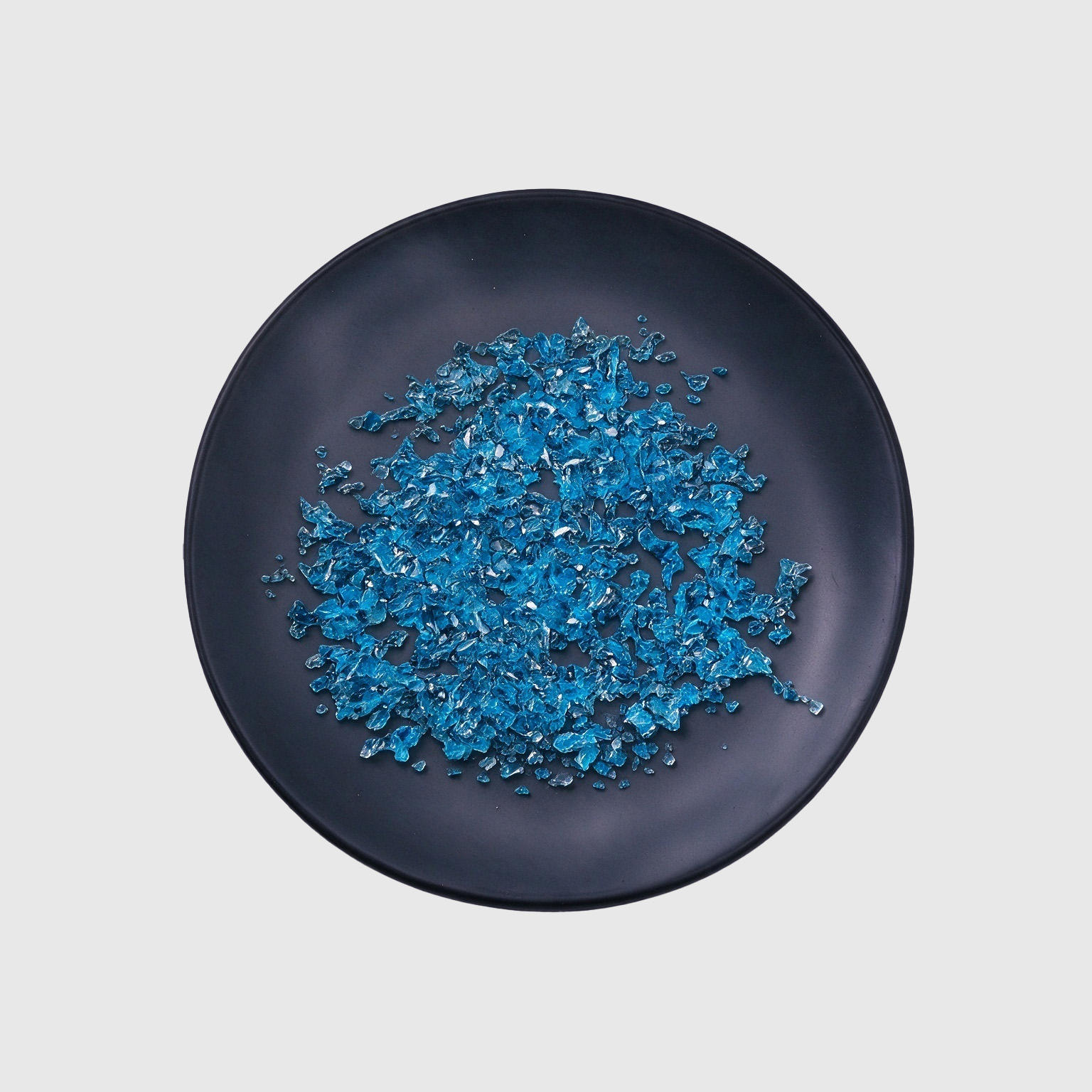
Glass aggregate is crushed or processed post-consumer and post-industrial glass, screened into defined particle sizes and sometimes treated (cleaned, color-sorted, rounded) for decorative and functional applications. It is used as a chip, bead, sand or powder in terrazzo floors, resin-bound paving, exposed-aggregate concrete, pool finishes, aquarium media and engineered stone.
2. Key Technical Properties
Four properties matter most when specifying glass aggregate for a permanent installation:
- Hardness: recycled container glass typically sits around 5–6 on the Mohs scale, similar to architectural aggregates. This is sufficient for foot-traffic terrazzo but should be confirmed per batch.
- Chemical stability: soda-lime glass is inert to water, most mild acids and UV, which is why it does not fade or leach in exterior or wet applications.
- Frost and thermal behavior: glass has low water absorption (near zero), reducing freeze-thaw damage compared with some natural aggregates.
- Color fastness: color-sorted or pigmented glass keeps its hue under direct sunlight; natural cullet grades are stable by composition.
3. Grading and Mesh Sizes
Grading is expressed either in mesh (e.g. 20-30 mesh, 30-50 mesh) or in millimetre ranges (1-3 mm, 3-5 mm, 5-8 mm, 8-12 mm). For terrazzo, a 3-5 mm or 5-8 mm chip gives the classic exposed finish; for resin-bound surfaces, 1-3 mm and 2-4 mm are common. Always request the supplier’s actual sieve analysis (ASTM or ISO based) rather than relying on a nominal label, because local screening practices vary.
4. Applications at a Glance
- Terrazzo flooring: chips 3-8 mm for standard or venetian terrazzo; powder grades for grout lines.
- Resin-bound paving: graded aggregate 1-4 mm for driveways and paths.
- Architectural concrete and precast: exposed-aggregate panels, planters, countertops.
- Pool and water features: rounded glass pebbles and beads that are safe to touch and UV-stable.
- Aquarium and filtration: glass beads and sand with controlled size distribution and low dust.
5. Quality-Control Checkpoints for Buyers
A responsible factory checks every batch on at least five points:
- Particle size distribution: sieve analysis against the agreed grading, with a stated tolerance (for example ±5% retained per sieve).
- Contamination: removal of metal, ceramic, paper and organic residue from the cullet stream.
- Dust and fines: dust content below the agreed threshold, important for resin bonding and worker safety.
- Color consistency: batch-to-batch color comparison against a master sample.
- Packaging integrity: moisture-resistant bags, palletizing and loading to avoid breakage and contamination in transit.
6. What to Ask a Supplier Before Ordering
- Do you provide a sieve analysis certificate with each shipment?
- What is your color-consistency tolerance between production batches?
- Do you wash and dry the aggregate, or is it screened as-is?
- What packing options are available (25 kg bags, 1-ton jumbo bags, loose container loading)?
- Can you supply samples and a third-party test report for the specific grade?
7. Sourcing from Guangzhou Hamari
Guangzhou Hamari New Material Co. Ltd supplies glass aggregate from its Guangzhou base with factory-direct pricing, per-batch sieve analysis on request, color master samples and flexible packaging (25 kg bags to 1-ton jumbo bags). Send your application, color, mesh size and quantity to info@hamari.cn or chat on WhatsApp for a quotation.